

People usually start looking for Recorded Future competitors after the renewal quote arrives. The platform is good: it pulls from open web, technical and dark web sources, scores what it finds, and has analysts writing reports on top. Mastercard bought it. But in a lot of deployments the team ends up using the domain alerts and the occasional dark web search, and paying for everything else.
Introduction
Who is asking matters. A SOC lead wants IOCs flowing into the SIEM and the firewall blocklist. A fraud team at a bank wants to hear about the fake loan app on an APK mirror before customers install it, and the CISO wants a short brief on which ransomware crews are working the sector. Recorded Future sells to all of them; most competitors are strong at one.
TLDR: Top 10 recorded future competitors and alternatives in 2025
The table lists the 10 Recorded Future competitors and alternatives in 2025 covered below, with what each is mainly known for:
| Competitor | Key Features | Specialization |
|---|---|---|
| Hunto AI | Unified external cyber security platform | Detection of phishing sites, fake apps and social profiles, dark web exposure, and managed takedown at scale |
| Palo Alto Networks | Network security, Cortex XSOAR, in-house threat research | Network, cloud and SOC automation |
| IBM Security | X-Force research, analytics | Security integrated across large IT estates |
| FireEye | Incident response heritage, threat intelligence | Advanced threat protection (product line now sold as Trellix) |
| Splunk | Log analytics, real-time search | Security information and event management (SIEM) |
| ThreatConnect | Threat intelligence platform (TIP), orchestration | Security orchestration, automation, and response (SOAR) |
| Anomali | ThreatStream TIP, feed integration | Aggregating and operationalising threat feeds |
| CyberArk | Privileged access management | Identity security for admin and service accounts |
| Mandiant | Consulting, incident response, intelligence | Threat actor research and breach investigation |
| Check Point Software Technologies | Firewalls, Infinity platform | Network, endpoint and cloud prevention |
Understanding Cyber Threat Intelligence
Cyber Threat Intelligence (CTI) is information about attackers, checked and shaped so someone can act on it. An IP address in a botnet log is data. Knowing that the IP is staging infrastructure for a ransomware affiliate that has been getting into Indian manufacturers through unpatched VPN appliances is intelligence. Products in this market sit at different points between the two, and pricing roughly follows how far toward the second they go.
The Role of Threat Intelligence
The honest test of any intelligence product is whether it changes what the team does on a Tuesday afternoon. Awareness is the obvious part: you learn which groups bother with your sector and how they tend to get in, so a phishing alert mentioning a known initial access broker gets looked at before a generic scanner hit.
It should also move money. If the reporting says the actors hitting your peers come in through exposed RDP and stolen VPN credentials, that argues for MFA on remote access before another email gateway.
During an incident it saves time. An analyst pastes a domain or hash into the enrichment panel and sees straight away that it was registered last week by the same registrant as a known phishing cluster.
And mapping adversary tactics, techniques, and procedures (TTPs) to MITRE ATT&CK is the proactive bit, done properly. Lay the techniques a group uses against your detection coverage and the gaps are visible before anyone exploits them.
Top 10 record future competitors and alternatives in 2025
Pure intelligence vendors sit next to big security companies that bundle intelligence into firewalls or SIEMs. Buyers compare them that way in practice, even if it is apples to oranges.
Hunto.ai
Hunto.ai is TIKAJ’s external threat platform, and of the Recorded Future competitors here it is the one most focused on what happens outside your network. It looks for lookalike domains, phishing pages, rogue APKs and fake social accounts using your brand, picks up leaked data and dark web mentions, and generates compliance reports. Unlike a feed, it does not stop at the alert. Takedown is part of the service. A phishing kit spotted on a freshly registered domain gets reported to the registrar’s and the host’s abuse desks, with the evidence they ask for, and followed up until it is down. If you need to show cybersecurity oversight of brand abuse to a regulator, the takedown log is the evidence.
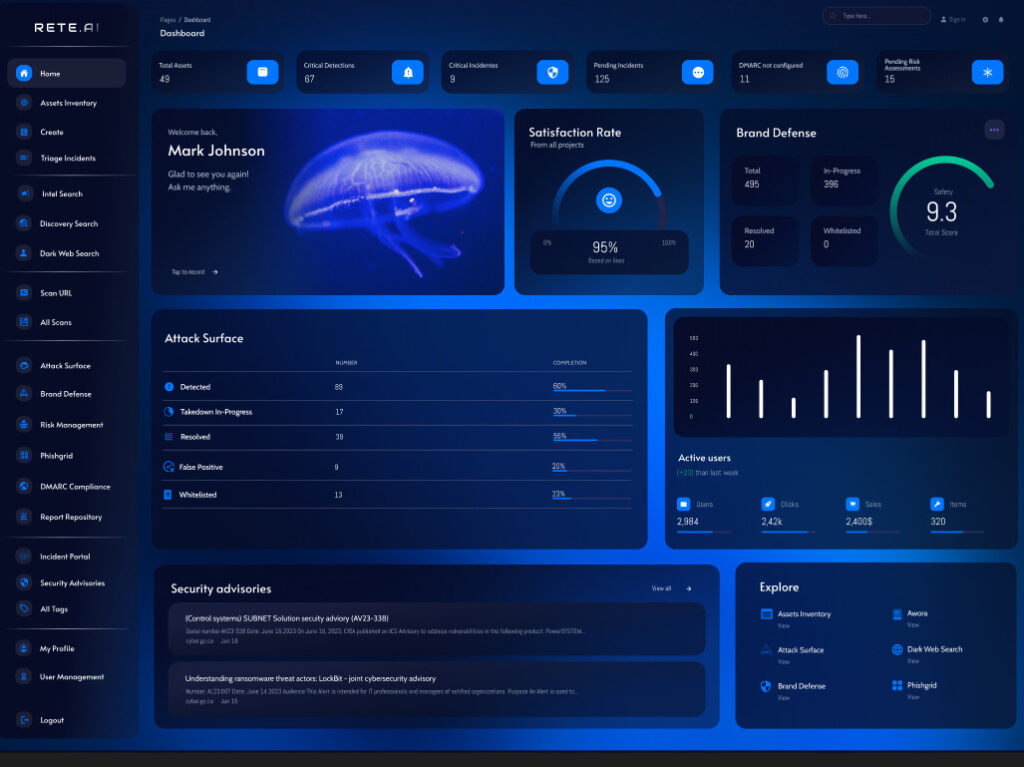
What the Hunto.ai service includes:
- Anti-Phishing & Anti-Rogue, Finds phishing pages, rogue apps in third-party stores, fake domains and impersonating social media accounts.
- Data Leak & Sensitive Info Exposure, Flags proprietary and confidential data that has leaked to paste sites, public code repositories or open cloud buckets before it turns into monetary or competitive loss.
- Dark Web Threats, Picks up sensitive data and PII offered for sale on dark web markets and forums.
- Takedown Service, Removes the threats it finds by working with registrars, hosts, app stores and social platforms.
Palo Alto Networks
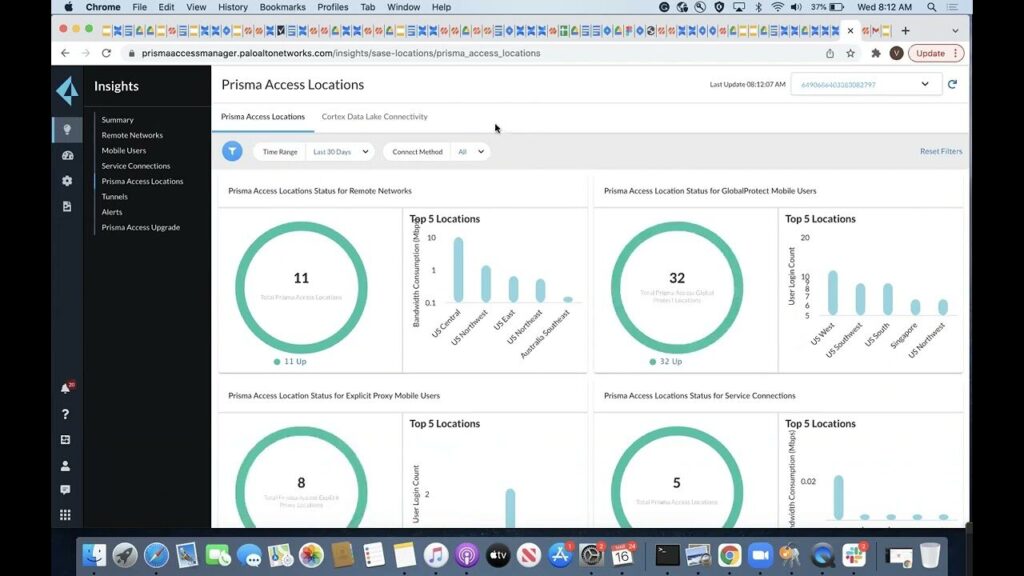
Palo Alto Networks is on the list of Recorded Future competitors mostly because of Cortex XSOAR, which pulls threat intelligence into automated playbooks, and its in-house threat research team. If you already run its next-generation firewalls and Prisma cloud tools, getting intelligence from the same vendor means fewer integrations to maintain. The catch is that the value is tied to the rest of the Palo Alto estate. As a standalone intelligence source it is less broad than Recorded Future.
IBM Security
IBM’s security business built its name on QRadar SIEM and the X-Force research team, whose threat reports are widely read. QRadar’s cloud product has since been sold to Palo Alto Networks, so check exactly which IBM product you would be buying and who will support it. IBM’s real strength now is services: consulting, managed detection and incident response, wrapped around tools in big enterprises that already buy from IBM.
FireEye
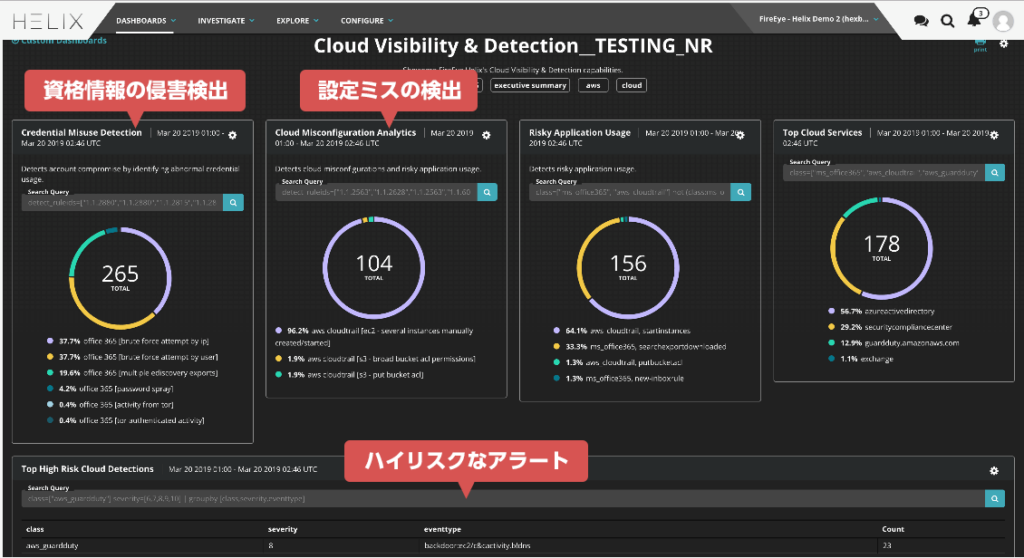
FireEye was for years the name you called after a serious breach, largely because it owned Mandiant. The company has since split. The FireEye product line went to private equity and was merged into Trellix, while Mandiant went to Google. Anyone shortlisting “FireEye” today is really choosing between Trellix for detection products and Mandiant for intelligence and response. Both are capable. The rebranding confuses procurement teams more than it should.
Splunk

Splunk is not a threat intelligence vendor in the Recorded Future sense. It is where intelligence ends up. Splunk Enterprise Security ingests logs from everything, lets analysts search them fast, and correlates them with threat feeds, including Recorded Future’s own. Now part of Cisco, it is the right answer if your problem is that intelligence arrives but nobody can match it against your own telemetry. If your problem is getting the intelligence in the first place, it is the wrong tool.
ThreatConnect
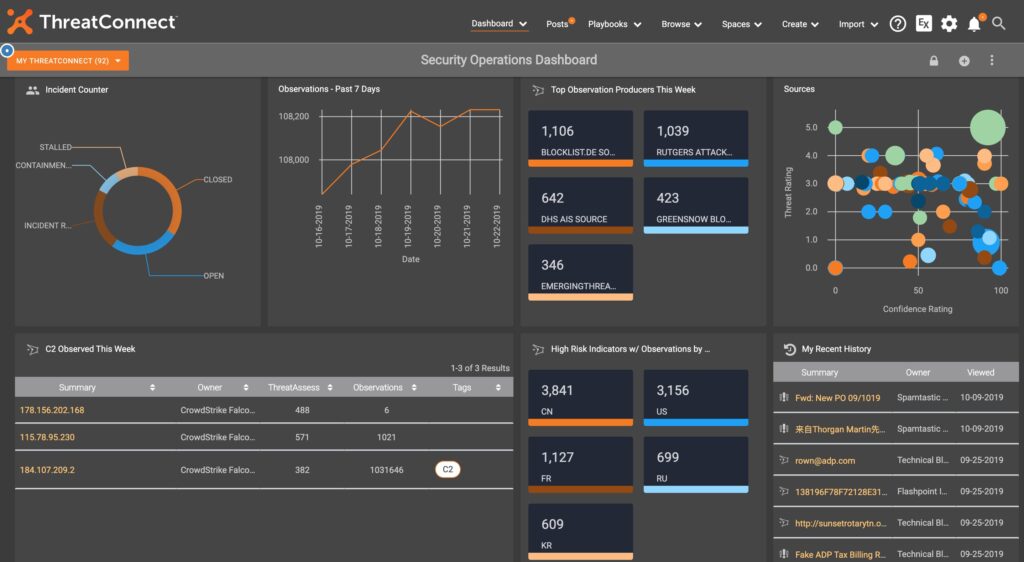
ThreatConnect combines a threat intelligence platform (TIP) with orchestration. Feeds from commercial vendors, ISACs and your own investigations land in one place, get scored, and can trigger playbooks: block this domain, open a ticket, enrich that alert. It suits teams with analysts who want to run their own intelligence program rather than consume someone else’s. Without those analysts it becomes a very tidy database that nobody queries.
Anomali
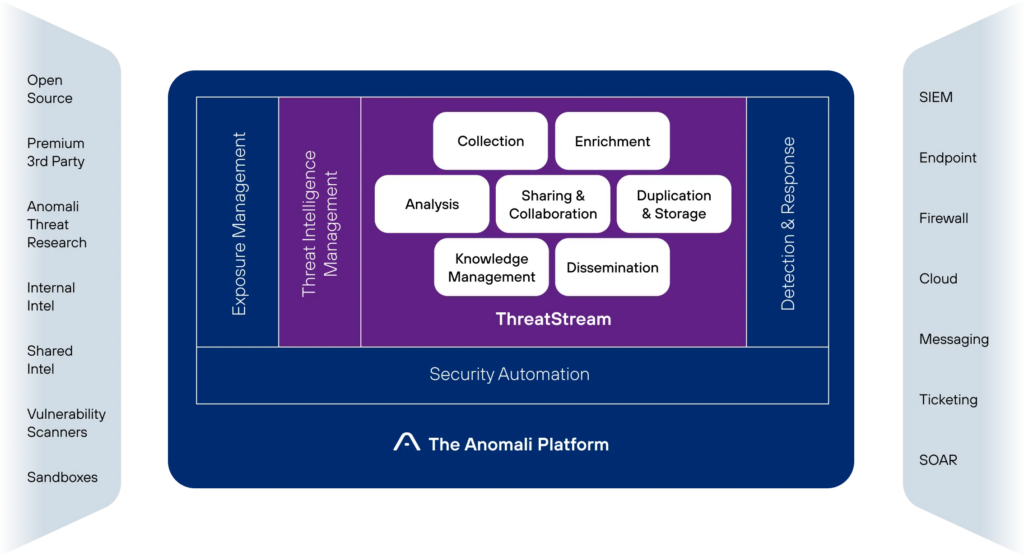
Anomali’s ThreatStream is a hub for collecting, normalising and sharing threat data, and it is a common Recorded Future alternative for teams that already pay for several feeds and want them in one place. It deduplicates indicators, scores them and pushes them to SIEMs, firewalls and EDR. It is also popular with ISACs and sharing groups. How useful it is depends heavily on the quality of the feeds you put into it.
CyberArk
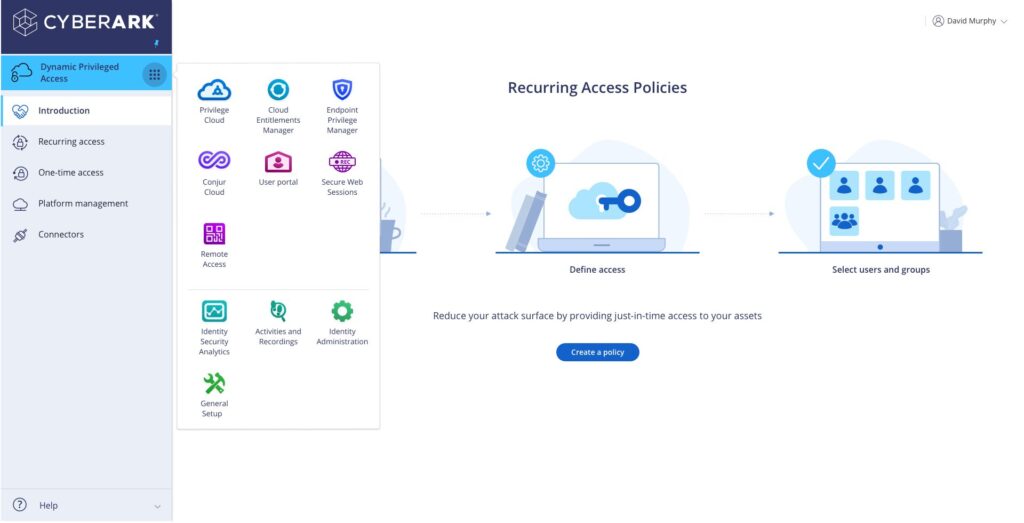
CyberArk is on most “Recorded Future competitors” lists, though it solves a different problem. It is the market leader in privileged access management: vaulting admin passwords, rotating service account credentials, recording privileged sessions. Stolen admin credentials are how many ransomware attacks go from one laptop to the whole domain, so it is valuable. Just do not expect intelligence reporting from it.
Mandiant
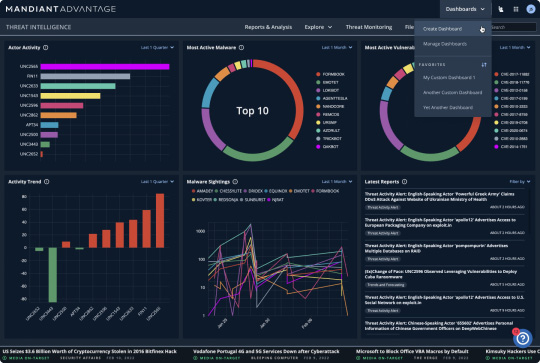
Mandiant, now part of Google Cloud, does incident response, red teaming and threat actor research. Its intelligence comes from investigating real breaches, which gives it detail on how specific groups operate that a scraping-based platform cannot match. It names and tracks groups under its APT and FIN labels, and its reports are often the first public account of a new campaign. It is the closest like-for-like alternative to Recorded Future for finished intelligence, and it is priced accordingly.
Check Point Software Technologies
Check Point has been selling firewalls since the industry began and now covers network, endpoint, cloud and mobile under its Infinity platform. Its ThreatCloud service feeds intelligence into those products so that a domain flagged once is blocked across every customer. That is prevention rather than research. If you want analysts reading reports about threat actors, look elsewhere. If you want blocking that updates itself, Check Point does that well.
Recorded Future alternatives for external threat intelligence & digital risk protection
Many buyers evaluating Recorded Future actually want external threat intelligence and digital risk protection: dark web monitoring, brand and domain abuse detection, and takedown, rather than a SIEM or firewall. The vendors below are the alternatives most often compared with Recorded Future in that category. Treat them as a neutral starting point and validate current capabilities with each vendor during evaluation, because this market changes through acquisitions faster than most.
- ZeroFox, Covers social media, domains and the surface, deep and dark web, with a strong emphasis on brand protection and takedown.
- CrowdStrike Falcon Adversary Intelligence, Adversary tracking that plugs straight into the CrowdStrike endpoint platform, most useful if you already run Falcon.
- Flashpoint, Finished intelligence and deep coverage of illicit communities, including closed forums and chat channels where fraud is planned.
- Cyble, AI-assisted threat intelligence and digital risk protection, with dark web monitoring and attack-surface visibility.
- Intel 471, Intelligence on the cyber underground: threat actors, initial access brokers, stolen credentials and malware activity.
- TIKAJ, External threat intelligence and brand protection built around anti-phishing, dark web monitoring and managed takedown, aimed at mid-market and enterprise teams that want detection paired with remediation.
| Alternative | Primary focus | Often a good fit for |
|---|---|---|
| Recorded Future | Broad threat intelligence platform | Large teams wanting a wide data set and many integrations |
| ZeroFox | Digital risk protection & takedown | Brand protection across social, domains, web |
| Flashpoint | Deep/dark web & finished intel | Fraud, physical security, threat research |
| Cyble | Threat intel & digital risk protection | Growing teams needing dark web visibility |
| Intel 471 | Cyber underground & adversary tracking | Teams tracking threat actors and credentials |
| TIKAJ | Anti-phishing, dark web monitoring & takedown | Mid-market/enterprise wanting detection plus managed remediation |
How to choose a Recorded Future alternative
- Coverage: Ask for a sample of findings against your own brand during the trial. Generic demo data tells you nothing about whether they watch the app stores, social networks and domain registrations that matter for you.
- Takedown & remediation: Find out whether the vendor only alerts or actually gets phishing sites, rogue apps and fake profiles removed, and whether someone on their side does the chasing or it lands back on your team.
- Fit for mid-market: Look for clear packaging and a scope you can run without a large in-house intelligence team. A platform that only pays off with a dedicated intel team is a bad buy for a small one.
- Dark web sources: Ask how deep and dark web data is collected and refreshed, and how leaked credentials and PII are matched to your domains and prioritised.
If your priority is external threat intelligence that ends in action rather than an alert queue, TIKAJ is worth shortlisting, combining dark web monitoring with managed takedown services. Talk to the TIKAJ team to compare it against Recorded Future for your use case.
Conclusion
These ten were not built to do the same job. Mandiant, Flashpoint and Intel 471 sell intelligence itself. Splunk, ThreatConnect and Anomali are where intelligence gets stored and used. Palo Alto, Check Point and CyberArk sell controls that consume it, and Hunto, ZeroFox and Cyble go after threats against your brand outside the perimeter. Work out which gap you have before booking demos. Otherwise you end up comparing a firewall with a research team.
FAQs for Recorded Future Competitors
Who are the competitors of Recorded Futures?
Recorded Future top competitors are Hunto.ai, Trustwave, Forcepoint Triton APX, and DomainTools. Mandiant, Flashpoint, Intel 471 and ZeroFox also come up often, depending on whether you want finished intelligence or brand protection.
Does Recorded Future use AI?
Yes. In April 2023 Recorded Future launched Recorded Future AI Insights, which uses a large language model to summarise intelligence on a topic or threat. It was one of the first threat intelligence vendors to ship that kind of feature.
What should businesses consider when choosing between Recorded Future and its competitors?
Start with the job: indicator feeds for the SOC, finished reporting for leadership, or brand and fraud protection. Then look at how it integrates with your SIEM and ticketing, what support you get, whether the vendor handles remediation, and the budget. Recorded Future is rarely the cheapest option, so be clear about which of its features you would actually use.